January 08, 2026
Summary
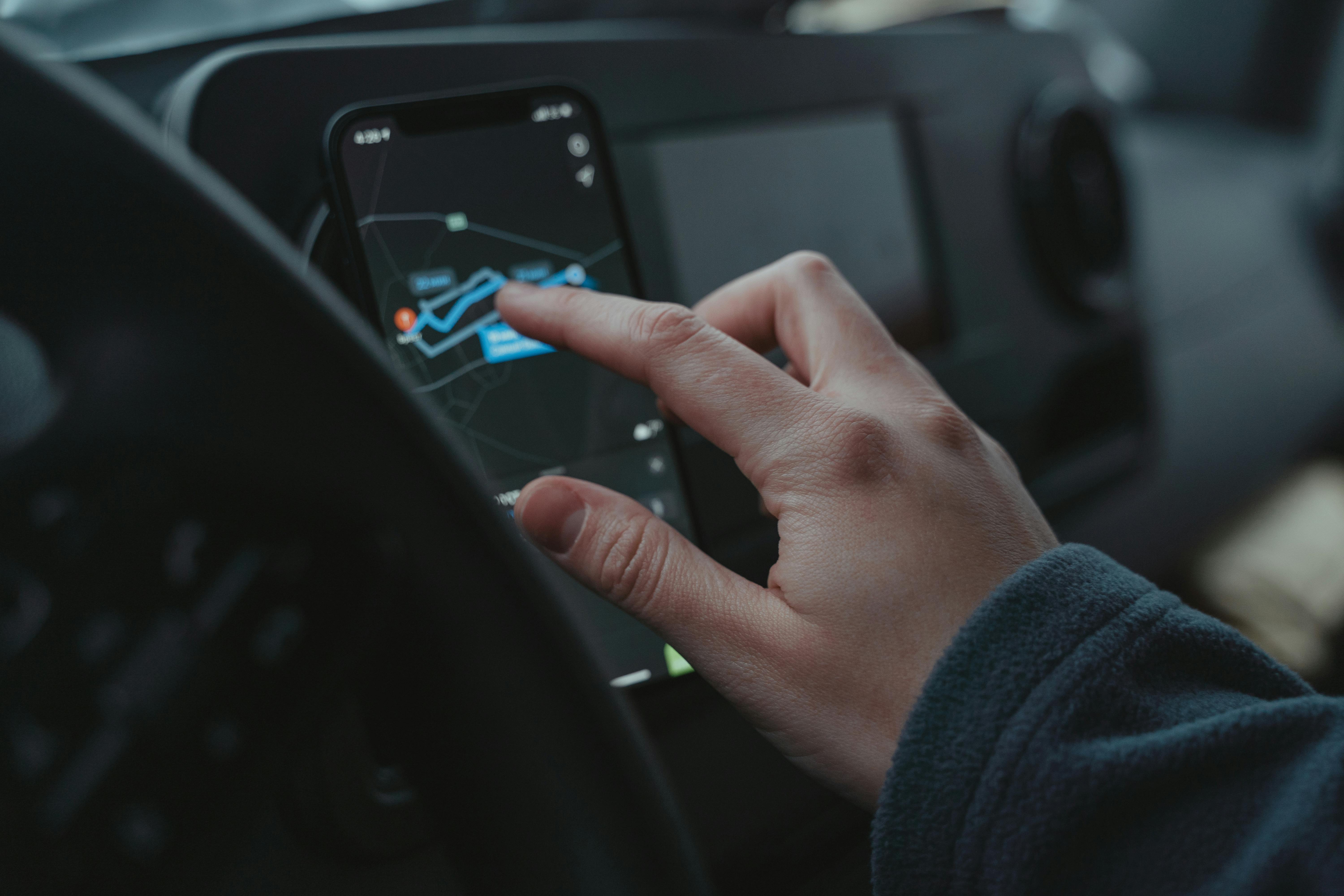
For a truck driver, the road is a complex work environment where every kilometer matters. Using a standard car GPS in a heavy truck is like trying to steer a ship with a boating license: it’s possible, but risky and inefficient. Choosing the best truck GPS is therefore essential.
A truck GPS is a critical work tool designed for the unique challenges of road transportation. It accounts for your vehicle’s dimensions, weight restrictions, hazardous materials, and guides you safely to your destination—avoiding low bridges, tight turns, and restricted roads.
This comprehensive guide will help you understand essential features, compare options, and choose the best GPS for trucking—one that meets all your needs and becomes your most reliable co-pilot on the roads of Quebec and beyond.
Summary
A truck GPS is a navigation tool specifically designed to meet the requirements of professional transportation. Unlike general-purpose systems, it analyzes routes based on the operational realities of heavy vehicles and provides information tailored to life on the road. It’s a navigation assistant built to support drivers in an environment where precision, safety, and efficiency are essential.
The fundamental difference is not screen size, but software intelligence. A truck GPS integrates critical data that a car GPS completely ignores. Think of it as a specialized database that overlays vital heavy-vehicle information onto a road map.
Before looking at advanced features, make sure your GPS covers the basics. These criteria are non-negotiable.
This is the most important feature. The GPS must allow you to create a detailed vehicle profile. A good system will ask for the following:
Road networks change constantly. A GPS with frequent map updates (ideally lifetime and via Wi-Fi) is essential to avoid unpleasant surprises. Check map coverage, especially if you drive in the United States or remote regions of Canada.
In a truck cab, a small screen is a dangerous distraction. Choose a screen of at least 7 inches. Resolution and brightness are also important for clear visibility in direct sunlight or at night.
Your GPS will be exposed to constant vibrations. Choose a model built to last, with a high-quality magnetic or industrial-grade suction mount that won’t fail at the first bump.
Once the basics are covered, the following features can significantly improve your daily life on the road.
|
Optimize your routes starting today. Contact Geothentic to discover how a professional GPS tracking solution can simplify route management and reduce road-related surprises. |
Model |
Price range (CAD) |
Key feature |
Garmin dēzl OTR720 |
$450 – $650 |
Excellent balance of features and price |
Rand McNally TND 750 |
$500 – $700 |
Robust software and advanced options |
TomTom GO Expert |
$400 – $600 |
|
Garmin dēzlCam OTR725 |
$800 – $1,000 |
Integrated dash cam |
Driving in Quebec presents unique challenges. Make sure your GPS is up to the task.
Also, make sure you comply with provincial and federal recommendations related to heavy vehicle safety.
Choosing the best truck GPS is an investment that quickly pays off in time saved, reduced stress, and improved safety. Take the time to evaluate your specific needs, compare features, and choose a device truly designed for the realities of road transportation. A good GPS doesn’t just tell you where to go—it helps you get there in the smartest and safest way possible.
The main difference is the software. A truck GPS calculates routes based on your vehicle’s dimensions (height, weight, length) and restrictions (hazardous materials), allowing you to avoid low bridges, restricted roads, and costly fines.
A good truck GPS generally costs between $400 and $1,200 in Canada. Entry-level models range from $400 to $600, while high-end models with integrated cameras and large screens can exceed $1,000.
Yes. Major brands like Garmin, Rand McNally, and TomTom offer detailed maps for North America (Canada and the United States). It’s important to verify that map updates cover both countries.
Yes, apps like CoPilot Truck or Sygic Truck Navigation are good alternatives. However, they depend on your device’s battery and connectivity. A dedicated GPS unit usually offers better reliability, greater durability, and a larger, brighter screen.

President - Geothentic
Coming from a family of entrepreneurs specializing in the automotive and technology sectors, and being passionate about the environment, it was obvious to me to reconcile these two worlds in order to offer simple and revolutionary technologies for the prosperity of our planet. That's how I founded Géothentic.
 Client access
  Request